China Street Eats

Zhejiang

Zhejiang Cuisine

Zhejiang Cuisine

“Light and elegant, fresh and tender”

Light and elegant, fresh and tender. West Lake fish in vinegar sauce, Dongpo pork and Longjing shrimp turn Jiangnan’s graceful landscape into poetry on the palate through Hangzhou cooking.

Clean freshnessTender biteSavory freshnessTea fragranceWine fragranceHangzhou, Zhejiang

What defines this cuisine

Flavor profile

Clean freshness30%
Tender bite20%
Savory freshness15%

Cooking techniques

Cooking in a thickened brothSteamingStewing

Essential ingredients

  • Jinhua ham
  • West Lake Longjing tea
  • Shaoxing yellow rice wine

Signature dishes

Discover 6 classics. Mark dishes you have tried; your checklist stays in this browser.

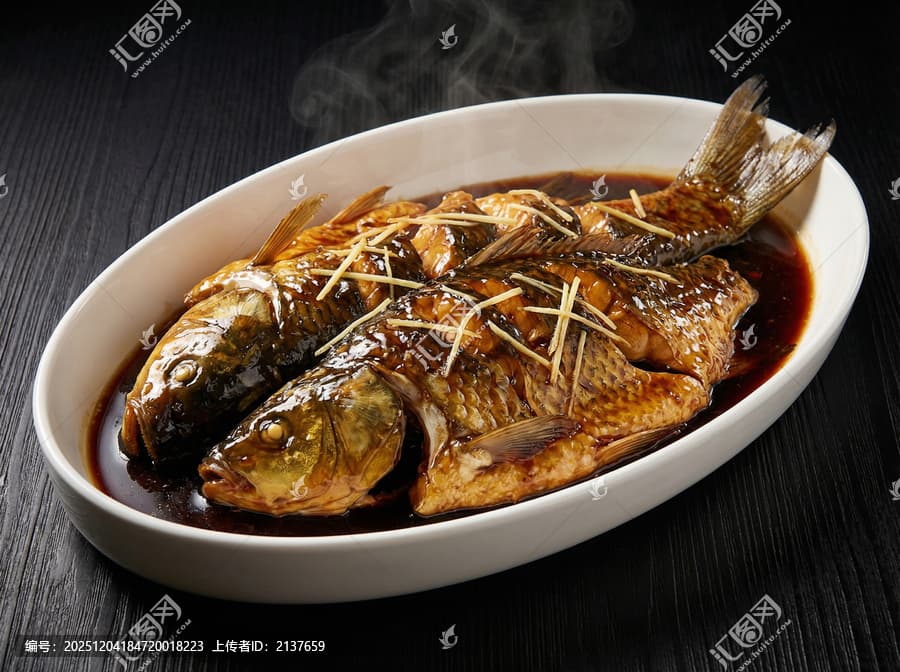
West Lake Fish in Vinegar Sauce

West Lake Fish in Vinegar Sauce

Moderate25 minutes
Fresh grass carp is poached in water, then covered with an amber sauce of sugar, vinegar and minced ginger. The flesh is as tender as tofu, the sauce pleasantly sweet and sour, with a faint crab-like flavor: Zhejiang cooking’s art of evoking crab through fish.View description ↓

Fresh grass carp is poached in water, then covered with an amber sauce of sugar, vinegar and minced ginger. The flesh is as tender as tofu, the sauce pleasantly sweet and sour, with a faint crab-like flavor: Zhejiang cooking’s art of evoking crab through fish.

A signature dish at Hangzhou’s Louwailou. Legend traces it to the Southern Song, when a fisherman cooked fish with vinegar and ginger and found that it tasted as savory as crab. Louwailou refined the recipe into a leading signature of Hangzhou cuisine.

Dongpo Pork

Dongpo Pork

Moderate120 minutes
Neat squares of pork belly are gently braised with yellow rice wine, soy sauce and rock sugar for two hours. Red and glossy as agate, the finished meat is rich without greasiness and so soft that it separates at a touch of the chopsticks.View description ↓

Neat squares of pork belly are gently braised with yellow rice wine, soy sauce and rock sugar for two hours. Red and glossy as agate, the finished meat is rich without greasiness and so soft that it separates at a touch of the chopsticks.

While serving as prefect of Hangzhou, Su Dongpo organized local people to dredge West Lake. Grateful residents gave him pork. He instructed his household to cut it into squares, slowly braise it with yellow rice wine and soy sauce, then distribute it to the workers. This gave the dish its name.

Longjing Shrimp

Longjing Shrimp

Moderate15 minutes
Translucent freshwater shrimp are stir-fried with new Longjing tea picked before Qingming. The shrimp’s sweetness and the tea’s fresh fragrance come together in an elegant bite with a long finish: the taste of spring in Hangzhou.View description ↓

Translucent freshwater shrimp are stir-fried with new Longjing tea picked before Qingming. The shrimp’s sweetness and the tea’s fresh fragrance come together in an elegant bite with a long finish: the taste of spring in Hangzhou.

An inventive Hangzhou dish that brings West Lake Longjing tea into the kitchen. Around Qingming, the year’s new tea is essential for its clear fragrance. The dish appeared at the 1972 state banquet hosted by Premier Zhou Enlai for Nixon.

Sister Song’s Fish Soup

Sister Song’s Fish Soup

Moderate30 minutes
Boneless mandarin fish is cooked with fine strips of ham, shiitake mushrooms and bamboo shoots. After light thickening, egg white is drizzled in. The creamy-looking soup carries tender fish and a different layer of texture in every spoonful.View description ↓

Boneless mandarin fish is cooked with fine strips of ham, shiitake mushrooms and bamboo shoots. After light thickening, egg white is drizzled in. The creamy-looking soup carries tender fish and a different layer of texture in every spoonful.

During the Chunxi reign of the Southern Song, Song Wusao made her living selling fish soup beside West Lake. Emperor Xiaozong tasted it while visiting the lake and praised it warmly, making Sister Song’s Fish Soup famous. It now has more than eight hundred years of history.

Beggar’s Young Chicken

Beggar’s Young Chicken

Advanced150 minutes
A tender hen is wrapped in lotus leaves and coated with clay from a wine jar, then slowly roasted over charcoal until the clay cracks and releases its fragrance. Lotus leaves, pork fat and chicken infuse one another, leaving the meat tender enough to fall from the bones.View description ↓

A tender hen is wrapped in lotus leaves and coated with clay from a wine jar, then slowly roasted over charcoal until the clay cracks and releases its fragrance. Lotus leaves, pork fat and chicken infuse one another, leaving the meat tender enough to fall from the bones.

A Hangzhou classic. Clay used to seal yellow-rice-wine jars replaces ordinary yellow clay, allowing wine fragrance to penetrate the chicken during roasting and adding another aromatic layer to the Changshu version. It is another must-order at Hangzhou’s Louwailou.

Crisp “Ringing Bell” Tofu-Skin Rolls

Crisp “Ringing Bell” Tofu-Skin Rolls

Easy15 minutes
Tofu skin is rolled into cylinders and fried until golden and crisp. Each bite gives a crackling sound like a bell. Dipped in sweet bean sauce or Sichuan-pepper salt, the rolls are crisp, fragrant and increasingly flavorful as you chew.View description ↓

Tofu skin is rolled into cylinders and fried until golden and crisp. Each bite gives a crackling sound like a bell. Dipped in sweet bean sauce or Sichuan-pepper salt, the rolls are crisp, fragrant and increasingly flavorful as you chew.

A traditional Hangzhou vegetarian dish, reportedly named for its resemblance to horse bells and the crisp sound it makes when eaten. Sixiang tofu skin, a specialty of Fuyang in Hangzhou, is the key: thin as a cicada’s wing yet remarkably resilient.

History and stories

Origins and evolution

Zhejiang cuisine comprises four main schools: Hangzhou, Ningbo, Shaoxing and Wenzhou. Hangzhou cooking centers on West Lake and values clean freshness and elegance; Ningbo specializes in seafood and the union of saltiness and freshness; Shaoxing excels at cooking with wine for rich aromas; Wenzhou favors seafood with light use of oil and starch-thickened sauces. Its history is closely linked to the aesthetics of Jiangnan scholars, emphasizing natural flavors and seeking food that is “light without thinness, refined without extravagance.” When the Southern Song established its capital at Lin’an, today’s Hangzhou, celebrated chefs gathered from across the country and brought its techniques and scope to new heights.

Zhejiang cuisine reflects Jiangnan’s graceful spirit on the table. Seven thousand years ago, during the Hemudu culture, local people were already cultivating rice and fishing, establishing a diet of rice and fish soup. During the Spring and Autumn period, King Goujian of Yue endured hardship in pursuit of recovery; the Shaoxing wine-brewing tradition is traced to this era. For more than two thousand years afterward, Shaoxing wine remained a defining flavor of Zhejiang cooking. The Southern Song’s move to Lin’an, now Hangzhou, was a turning point. Central Plains chefs followed the court south, combining northern techniques with Jiangnan’s fresh ingredients; more than four hundred dishes were recorded in Hangzhou. In the Yuan dynasty, Marco Polo visited and marveled at the refined food of this “heavenly city.” Each of Zhejiang’s four schools has its own character: Hangzhou is fresh and elegant, like the lightly adorned beauty of West Lake; Ningbo uses sea saltiness to draw out seafood’s freshness; Shaoxing makes wine its soul through lees, wine-marination and fermentation techniques; coastal Wenzhou pursues natural flavors with little oil or thickening. Together they express a cuisine that is light without thinness and refined without extravagance.

A philosophy of food

Wine provides the soul; tea gives the rhythm. Shaoxing yellow rice wine removes unwanted odors and adds a mellow fragrance without harshness. West Lake Longjing brings clear, sweet fragrance and understated elegance. Zhejiang cooking pursues a balance of lightness without thinness and refinement without extravagance, like Jiangnan’s landscape: restrained yet powerful.

People behind the tradition

Hu Zhongying

Contemporary

A leading figure in Hangzhou cooking and a nationally recognized master chef. He systematically collected classic Hangzhou recipes and created themed banquets such as the Ten Scenes of West Lake Banquet, bringing the poetry of Hangzhou’s landscape to the table. He has been central to its revival and nationwide recognition.

Xu Burong

Contemporary

Executive chef at Hangzhou’s Louwailou and an inheritor of West Lake fish in vinegar sauce. Over more than thirty years at the restaurant, he has upheld its century-old cooking traditions and refined the dish’s sweet-and-sour ginger sauce to exceptional mastery.

Dai Yongming

Contemporary

A master of Shaoxing cuisine known as its “living dictionary.” He recovered and organized nearly a hundred traditional dishes at risk of disappearing, taking local flavors such as pork belly with preserved mustard greens and Shaoxing drunken chicken to a national audience. He has been instrumental in preserving and passing on Shaoxing’s culinary culture.

Through the seasons

Spring

Longjing Shrimp

Tender West Lake Longjing buds picked around Qingming are stir-fried with fresh river shrimp. Clear tea fragrance and translucent shrimp capture Hangzhou’s spring spirit on a plate.

Summer

West Lake Water Shield Soup

West Lake water shield is especially tender in summer. Briefly cooked in clear broth, it is silky smooth in a water-clear soup: a favored first bowl for Hangzhou’s hottest days.

Autumn

Wine-Marinated Crab

“When autumn winds rise, crabs grow restless.” Crab steeped in Shaoxing yellow rice wine has thick, creamy roe and ice-clear flesh. Wine fragrance and crab freshness mingle in an especially prized autumn treat in Ningbo and Shaoxing.

Winter

Dongpo Pork

In winter, a square of pork belly gently braised with yellow rice wine and rock sugar for two hours turns red and glossy as agate. Meltingly tender and rich without greasiness, it is a classic Hangzhou choice for hearty winter eating.

Explore its cities

Where to explore

Places to eat

Louwailou

📍 Hangzhou

A restaurant with one hundred and seventy years of history; West Lake fish in vinegar sauce and beggar’s young chicken are must-orders; ¥150-300 per person

Zhiweiguan

📍 Hangzhou

A century-old institution best known for cat’s-ear noodles and Longjing shrimp; ¥80-150 per person

Zhang Sheng Ji

📍 Hangzhou

Renowned for its rich, deeply flavored old-duck soup; a favored choice for Hangzhou family gatherings; ¥100-180 per person

🥢

Which Zhejiang Cuisine dishes have you tried?

Use the dish checklist above to keep track of your discoveries in this browser.