Dine in Guangzhou; find chefs in Fengcheng. Cantonese cooking seeks freshness through clarity and beauty through lightness. Its dim sum culture is famous worldwide, and morning tea is the day’s grandest ritual.
SteamingStir-fryingBaking in a covered vesselBraisingDouble-boilingPoaching and slicingSlow simmering
Essential ingredients
Oyster sauce
Chu hou sauce
Dark soy sauce
Fermented black beans
Dried tangerine peel
Shrimp roe
Signature dishes
Discover 6 classics. Mark dishes you have tried; your checklist stays in this browser.
White-Cut Chicken
Moderate45 minutes
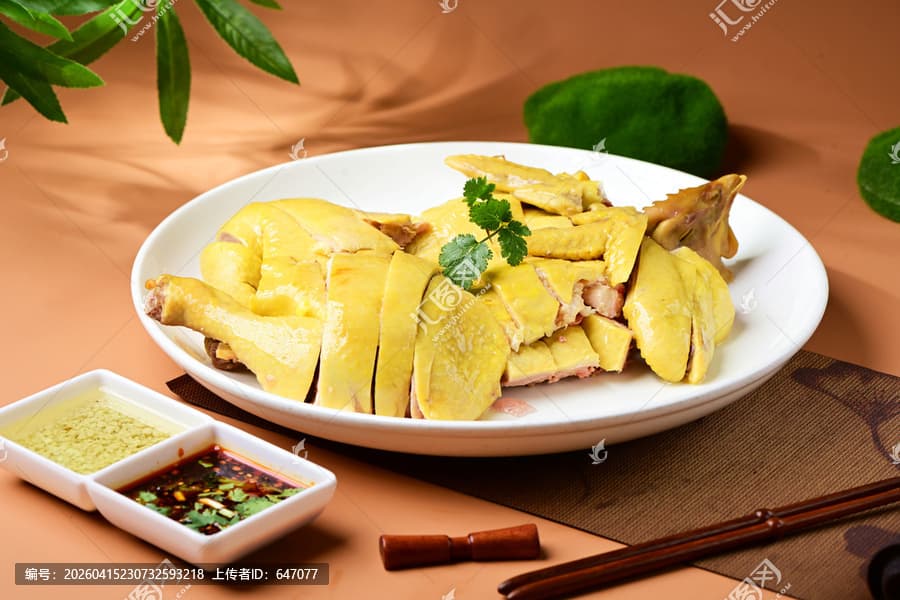
Deceptively simple, this dish demands considerable skill. Yellow-feathered chicken is gently poached in water with tiny “shrimp-eye” bubbles. The skin is golden and smooth, the meat tender and juicy; the source describes a little blood near the bone as a sign of precise cooking. A ginger-and-scallion dip completes a memorable bite.View description ↓Hide description ↑
Deceptively simple, this dish demands considerable skill. Yellow-feathered chicken is gently poached in water with tiny “shrimp-eye” bubbles. The skin is golden and smooth, the meat tender and juicy; the source describes a little blood near the bone as a sign of precise cooking. A ginger-and-scallion dip completes a memorable bite.
The fullest expression of the Cantonese saying, “No banquet without chicken.” Modest as it looks, white-cut chicken is an ultimate test of a chef’s skill: water temperature, timing and the chicken breed all matter, and a small difference can change the result completely.
Honey-Glazed Char Siu
Advanced120 minutes
Pork collar is marinated with maltose, hoisin sauce and rose-flavored liquor, then slow-roasted in a hanging oven until its surface caramelizes. Lightly charred and crisp outside, tender and juicy within, it balances sweetness with salt and a deep roasted aroma.View description ↓Hide description ↑
Pork collar is marinated with maltose, hoisin sauce and rose-flavored liquor, then slow-roasted in a hanging oven until its surface caramelizes. Lightly charred and crisp outside, tender and juicy within, it balances sweetness with salt and a deep roasted aroma.
Rooted in Guangdong’s roast-meat tradition. “Char siu,” or fork-roasted, takes its name from the old practice of skewering meat on forks over an open flame. Fine char siu has translucent fat and clearly defined strands of lean meat.
Har Gow Shrimp Dumplings
Advanced30 minutes
A wheat-starch wrapper as thin as a cicada’s wing reveals pink shrimp inside. A standard har gow has thirteen pleats, a thin skin and generous filling. Springy shrimp and crisp diced bamboo shoots release their juices in a single bite.View description ↓Hide description ↑
A wheat-starch wrapper as thin as a cicada’s wing reveals pink shrimp inside. A standard har gow has thirteen pleats, a thin skin and generous filling. Springy shrimp and crisp diced bamboo shoots release their juices in a single bite.
The foremost of the “four great kings” of Cantonese morning tea. A teahouse on Guangzhou’s outskirts first made them in the early twentieth century, wrapping fresh shrimp, pork fat and shredded bamboo shoots in wheat-starch dough that turns translucent when steamed.
Cantonese Roast Goose
Advanced180 minutes
Black-maned goose is marinated with five-spice powder and chu hou sauce, its skin inflated and air-dried, then roasted over lychee-wood charcoal in a hanging oven until deep red-brown. The skin is glass-crisp and the meat tender and juicy; sour plum sauce cuts through the richness.View description ↓Hide description ↑
Black-maned goose is marinated with five-spice powder and chu hou sauce, its skin inflated and air-dried, then roasted over lychee-wood charcoal in a hanging oven until deep red-brown. The skin is glass-crisp and the meat tender and juicy; sour plum sauce cuts through the richness.
Cantonese roast goose and Beijing roast duck are celebrated as two great Chinese roasts. Sham Tseng and Gujing roast goose each have devoted followers. A fine goose must offer all three: crisp skin, tender meat and aromatic bones.
Clay-Pot Rice
Moderate25 minutes
Rice cooks in an earthenware pot with cured meats and tender chicken, forming a golden, crisp crust on the bottom. A special sweet soy sauce is poured over it; lifting and mixing the crust brings toasted rice and meaty aromas together.View description ↓Hide description ↑
Rice cooks in an earthenware pot with cured meats and tender chicken, forming a golden, crisp crust on the bottom. A special sweet soy sauce is poured over it; lifting and mixing the crust brings toasted rice and meaty aromas together.
One of Guangdong’s most familiar everyday street foods. The breathable earthenware pot helps keep the rice grains distinct. Longtime Cantonese diners taste the crust first: “Without eating the crust, you have not really eaten clay-pot rice.”
Long-Simmered Cantonese Soup
Moderate240 minutes
Pork bones, mature chicken and ham form a base for herbs and seasonal ingredients, simmered gently for more than four hours. The broth is clear as tea yet deep and lingering in flavor, offering comfort in every bowl.View description ↓Hide description ↑
Pork bones, mature chicken and ham form a base for herbs and seasonal ingredients, simmered gently for more than four hours. The broth is clear as tea yet deep and lingering in flavor, offering comfort in every bowl.
Cantonese people say, “Better a meal without meat than a meal without soup.” Long-simmered soup is more than a dish: it carries Lingnan’s traditional ideas of nourishment. Recipes change with the seasons, traditionally addressing dampness in spring and summer and providing nourishment in autumn and winter.
History and stories
Origins and evolution
Cantonese cuisine is rooted in the openness and inclusiveness of Lingnan culture. Guangzhou has been a starting point of the Maritime Silk Road since the Qin and Han periods. Two thousand years of international trade allowed its cooking to draw widely on other traditions, retaining Central Plains Han Chinese techniques while incorporating ingredients and methods from Southeast Asia and the West. The saying “Dine in Guangzhou” gained currency in the Qing dynasty, when the city’s role as the sole trading port drew merchants in great numbers and its restaurant trade flourished. Shunde, a renowned home of chefs, established the technical ideals of clarity, freshness, crispness, tenderness and silkiness. In modern times, Cantonese cuisine traveled worldwide with overseas Chinese communities and became the most influential Chinese regional cuisine abroad.
The history of Cantonese cuisine is a culinary chronicle of Lingnan civilization. During the Nanyue kingdom (204–111 BCE), Guangzhou already had a tradition of rice and fish soup. A bronze grill and the remains of yellow-breasted buntings unearthed from the Nanyue king’s tomb show that Lingnan’s people had refined roasting skills two thousand years ago. In the Tang and Song periods, Guangzhou’s Maritime Silk Road trade brought foreign spices such as pepper and cloves, enriching local seasoning. In 1757, the Qianlong emperor restricted maritime trade to Guangzhou. Wealthy merchants of the Thirteen Hongs competed in luxury, beginning a golden age for “Dine in Guangzhou”: a Manchu-Han banquet could include one hundred and eight dishes eaten over three days, and a “weekly fine dim sum” system required new creations each week. Shunde chefs established the technical foundation of clarity, freshness, crispness, tenderness and silkiness. From the mid-nineteenth century, emigrants from Guangdong took their cuisine to Southeast Asia, the Americas and Europe. Today, more than seventy percent of Chinese restaurants worldwide mainly serve Cantonese food; har gow, char siu and white-cut chicken have become vivid international expressions of Chinese culture.
During the Qianlong reign of the Qing dynasty, wealthy merchants of Guangzhou’s Thirteen Hongs competed to stage lavish banquets for visiting traders. A Manchu-Han banquet was said to reach one hundred and eight dishes, eaten over three days. This luxurious dining culture helped establish Guangzhou as a gastronomic capital. A saying of the time ran, “Be born in Suzhou, dress in Hangzhou, eat in Guangzhou and die in Liuzhou,” reflecting Guangzhou’s culinary fame.
A philosophy of food
Dine in Guangdong; find flavor in freshness. The best ingredients need only the simplest cooking: a fish steamed just after leaving the water, or a freshly prepared chicken gently poached and sliced, pays food the highest respect. Cantonese cooking trusts that nature’s flavors need no unnecessary embellishment.
People behind the tradition
Huang Zhenhua
Contemporary
A leading figure in Cantonese cuisine, vice president of the China Cuisine Association and a nationally recognized master chef. He has devoted his life to preserving and promoting Cantonese cooking, written several classic textbooks, and made landmark contributions to its standardization and international development.
Yeung Koon-yat
Contemporary
Known as the “prince of abalone,” he earned worldwide fame with his original Ah Yat Abalone. His pioneering clay-pot method drew the fullest flavor from dried abalone and received the international culinary world’s highest honors, bringing global recognition to high-end Cantonese seafood cooking.
Luo Kun
Republican era to the present
Known as the “top scholar of dim sum,” he once headed the dim sum department at Guangzhou’s Panxi Restaurant. He created more than a thousand dim sum varieties over his lifetime, elevating teahouse snacks into refined art and establishing Guangdong’s international reputation as a “kingdom of dim sum.”
Through the seasons
Spring
White-Cut Chicken
Tender spring chicken is poached in gently bubbling water; the source describes leaving blood near the bone. Golden, crisp skin and a ginger-and-scallion dip make it a favored opening dish at Cantonese family meals in spring.
Summer
Winter Melon Soup Bowl
In the summer heat, a small whole winter melon is hollowed out and filled with fresh shrimp, dried scallops, roast duck and lotus seeds. It is double-boiled until the melon turns translucent, offering clean sweetness and summer refreshment: a classic expression of Lingnan cooking wisdom.
Autumn
Crab Roe Siu Mai
“When autumn winds rise, crabs grow restless.” Golden roe from hairy crabs is mixed with fresh meat, enclosed in thin wrappers and steamed. Each bite releases rich crab juices: a seasonal autumn treat treasured by Cantonese diners.
Winter
Clay-Pot Rice with Cured Meats
In the cold twelfth lunar month, rice cooks in an earthenware pot with cured pork, sausage and duck. A golden crust forms beneath it. Sweet soy sauce is mixed through, bringing together toasted rice and cured-meat aromas in a comforting Cantonese winter meal.