China Street Eats

Jiangsu · Zhejiang

Jiangsu Cuisine

Jiangsu Cuisine

“Fine detail, quiet elegance and lasting charm”

The grace of Jiangnan, expressed through meticulous and elegant cooking. Freshwater fish and shellfish feature prominently, with close attention to knife skills and presentation. Squirrel-shaped mandarin fish and crab soup dumplings are calling cards of Jiangsu cuisine.

Clean freshnessSavory and sweetMelting tendernessKnife skillsPresentationNanjing, Jiangsu

What defines this cuisine

Flavor profile

Clean freshness28%
Savory and sweet22%
Melting tenderness18%

Cooking techniques

StewingBraisingSlow simmering

Essential ingredients

  • Zhenjiang aromatic vinegar
  • Crab meat and roe
  • Chicken stock

Signature dishes

Discover 6 classics. Mark dishes you have tried; your checklist stays in this browser.

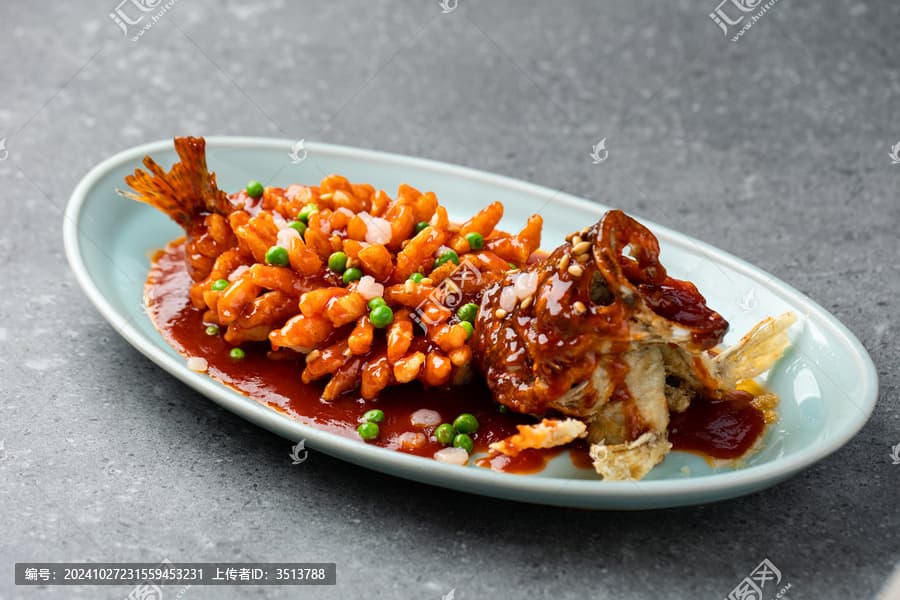
Squirrel-Shaped Mandarin Fish

Squirrel-Shaped Mandarin Fish

Advanced30 minutes
A whole mandarin fish is scored and fried until golden and fluffed into a squirrel-like shape. Sweet-and-sour tomato sauce is poured over its crisp exterior and tender flesh. The sizzling sound at the table is likened to a squirrel’s call.View description ↓

A whole mandarin fish is scored and fried until golden and fluffed into a squirrel-like shape. Sweet-and-sour tomato sauce is poured over its crisp exterior and tender flesh. The sizzling sound at the table is likened to a squirrel’s call.

An ultimate display of Jiangsu knife skills. Diamond cuts go down to the skin without severing it, so the flesh curls naturally like a pine cone when fried. The Qianlong emperor tasted it at Songhelou in Suzhou during his southern travels and praised it enthusiastically.

Crab Soup Dumplings

Crab Soup Dumplings

Advanced40 minutes
Wrappers thin enough to transmit light enclose a filling of crab meat and roe with pork. A gentle bite releases hot soup. “Open a window, drink the soup, then eat the meat” is the guiding sequence for eating these dumplings.View description ↓

Wrappers thin enough to transmit light enclose a filling of crab meat and roe with pork. A gentle bite releases hot soup. “Open a window, drink the soup, then eat the meat” is the guiding sequence for eating these dumplings.

Originating in Changzhou and developed further in Wuxi and Shanghai, crab soup dumplings are an autumn delicacy. The most authentic version is made in the ninth and tenth lunar months, when hairy crabs are full of rich roe and paste.

Simmered Shredded Dried Tofu

Simmered Shredded Dried Tofu

Advanced60 minutes
Seemingly humble but quietly luxurious. Firm dried tofu is cut into hair-fine strands and slowly cooked in mature-hen stock with ham and shrimp. The strands absorb the broth without breaking or falling apart, becoming soft and deeply savory.View description ↓

Seemingly humble but quietly luxurious. Firm dried tofu is cut into hair-fine strands and slowly cooked in mature-hen stock with ham and shrimp. The strands absorb the broth without breaking or falling apart, becoming soft and deeply savory.

A Yangzhou classic that tests both knife skills and heat control. A block of dried tofu is sliced into 28 sheets before being cut into strands no thicker than matchsticks. At Qing-era Yangzhou salt merchants’ banquets, it was an essential first course.

Clear-Stewed Lion’s Head Meatballs with Crab

Clear-Stewed Lion’s Head Meatballs with Crab

Moderate180 minutes
Large, round meatballs resemble lion’s heads. Crab meat and roe are mixed with pork in a three-to-seven ratio and gently stewed in clear broth for three hours. They melt in the mouth without greasiness, while the water-clear broth carries remarkable flavor.View description ↓

Large, round meatballs resemble lion’s heads. Crab meat and roe are mixed with pork in a three-to-seven ratio and gently stewed in clear broth for three hours. They melt in the mouth without greasiness, while the water-clear broth carries remarkable flavor.

A Huaiyang classic originating in Yangzhou during the Sui and Tang periods. Its name refers to the meatballs’ large, rounded shape. Premier Zhou Enlai particularly enjoyed the dish and often served it to foreign guests.

Beggar’s Chicken

Beggar’s Chicken

Advanced120 minutes
A whole chicken is wrapped in lotus leaves, coated in yellow clay and slowly roasted among charcoal until the clay cracks and fragrance escapes. Breaking the shell and opening the leaves releases the savory aroma of chicken and the fresh scent of lotus.View description ↓

A whole chicken is wrapped in lotus leaves, coated in yellow clay and slowly roasted among charcoal until the clay cracks and fragrance escapes. Breaking the shell and opening the leaves releases the savory aroma of chicken and the fresh scent of lotus.

Originating in Changshu. Legend tells of a beggar who stole a chicken but had no cookware, so he wrapped it in yellow clay and roasted it in a fire. When the shell was broken, its fragrance spread so far that the passing Qianlong emperor followed the aroma.

Jinling Saltwater Duck

Jinling Saltwater Duck

Moderate120 minutes
A defining taste of autumn in Jinling. Duck is cured with toasted salt and Sichuan pepper, then gently poached at low temperature in a barely simmering master brine. The skin is jade-white, the flesh pink and firm, and the flavor savory: a Mid-Autumn essential for Nanjing families.View description ↓

A defining taste of autumn in Jinling. Duck is cured with toasted salt and Sichuan pepper, then gently poached at low temperature in a barely simmering master brine. The skin is jade-white, the flesh pink and firm, and the flavor savory: a Mid-Autumn essential for Nanjing families.

Nanjing’s tradition of eating duck reaches back to the Spring and Autumn period. The osmanthus duck made around the Mid-Autumn Festival is considered the finest saltwater duck: at this stage of molting, the birds have thin skin, tender meat and a moderate amount of fat.

History and stories

Origins and evolution

The history of Jiangsu, or Huaiyang, cuisine is inseparable from Jiangnan’s landscape and culture. The opening of the Beijing–Hangzhou Grand Canal made Yangzhou a north–south transport hub and commercial center. Merchants gathered from many regions, driving an extraordinary expansion of dining. Qing-era salt merchants prized refined food, fostering a generation of highly skilled chefs. Huaiyang cuisine is known for fine knife work, precise heat control and respect for natural flavors. It is a favored choice for both state banquets and gatherings of scholars. The banquet marking the founding of the People’s Republic in 1949 centered on Huaiyang dishes.

Jiangsu cuisine reflects Jiangnan’s cultural lineage through food. In 486 BCE, King Fuchai of Wu had the Han Canal dug, making Yangzhou an important north–south transport link. Emperor Yang of Sui visited Yangzhou three times; his court cooks combined northern techniques with Jiangnan ingredients, helping shape early Huaiyang cooking. In the Tang and Song periods, Yangzhou was famed as the wealthiest city under heaven. Li Bai’s line about traveling to Yangzhou in misty, flower-filled spring drew countless scholars, and dining grew more refined amid poetry and wine. During the Ming and Qing, wealthy salt merchants of the Lianghuai region competed to hire celebrated chefs and develop exquisite dishes. One merchant’s household cook could prepare more than a hundred distinct tofu dishes. Classics such as Yangzhou fried rice and simmered shredded dried tofu emerged from these private banquets. Huaiyang cooking pursues meticulous refinement: a block of dried tofu is sliced into twenty-eight sheets before being cut into matchstick-fine strands, and a mandarin fish is scored so every curl resembles an evenly formed pine cone. This attention to detail made it a favored state-banquet cuisine. It formed the backbone of the first national banquet in 1949, the tenth-anniversary banquet in 1959, and many major state banquets thereafter.

A philosophy of food

Draw fully on nature; seek true and pure flavor. Skill appears under the knife: a block of dried tofu becomes thirty-six thin sheets, then strands as fine as hair. True flavor emerges through heat: a clear broth simmers for three hours, remaining water-clear yet deeply savory. Huaiyang cooking believes that simplicity perfected is the highest luxury.

People behind the tradition

Ju Changlong

Contemporary

A nationally recognized inheritor of Huaiyang cuisine as intangible cultural heritage, who led Huaiyang restaurants in Tokyo and Osaka for more than thirty years. He pushed its knife work to extraordinary precision: under his knife, a block of dried tofu could become thirty-six paper-thin sheets for shredding.

Zhou Xiaoyan

Contemporary

A professor at Yangzhou University’s School of Tourism and Culinary Science and a Chinese master chef. He developed a theoretical framework for Huaiyang cuisine and wrote several university textbooks, turning knowledge passed from master to apprentice into a systematic discipline. He is praised as a pioneer of Huaiyang culinary scholarship.

Dong Zhenxiang

Contemporary

Founder of Beijing’s Dadong Roast Duck restaurant, yet also known for his grounding in Huaiyang cuisine. He brought its fine knife skills and aesthetic ideals into modern Chinese dining, pioneering the concept of “artistic-conception cuisine” and renewing the Huaiyang spirit for contemporary diners.

Through the seasons

Spring

Red-Braised Pork with Spring Bamboo Shoots

As Jiangnan’s spring bamboo shoots break through the earth, they are red-braised with pork belly. The shoots absorb the pork’s aroma and the meat takes on their freshness, all glazed a bright reddish brown. It is a bowl Yangzhou diners eagerly await with rice each spring.

Summer

Simmered Shredded Dried Tofu

When summer heat dulls the appetite, soft strands of dried tofu simmered in mature-hen stock, dotted with ham and shrimp, offer light yet savory comfort: an elegant Yangzhou way to enjoy summer dining.

Autumn

Crab Lion’s Head Meatballs

In the ninth and tenth lunar months, hairy crabs are rich with roe and paste. The picked crab is combined with pork in a three-to-seven ratio, shaped into large meatballs and gently stewed for three hours until meltingly tender: a quintessential Huaiyang autumn dish.

Winter

Jinling Saltwater Duck

Nanjing’s winter saltwater duck is cured at low temperature and poached in master brine. White skin, pink flesh and balanced savory flavor make it a steadfast cold dish on Jinling families’ Lunar New Year’s Eve tables.

Explore its cities

  • Nanjing

    Duck Blood and Vermicelli Soup

  • Suzhou

    Squirrel-Shaped Mandarin Fish

Where to explore

Places to eat

Songhelou

📍 Suzhou

A restaurant with more than two hundred years of history and the birthplace of squirrel-shaped mandarin fish; ¥120-200 per person

Yechun Teahouse

📍 Yangzhou

A century-old teahouse known for crab roe soup buns and simmered shredded dried tofu; ¥60-100 per person

Jinling Hotel · Plum Garden

📍 Nanjing

High-quality Jinling saltwater duck in a setting rich in Republican-era atmosphere; ¥200-400 per person

🥢

Which Jiangsu Cuisine dishes have you tried?

Use the dish checklist above to keep track of your discoveries in this browser.