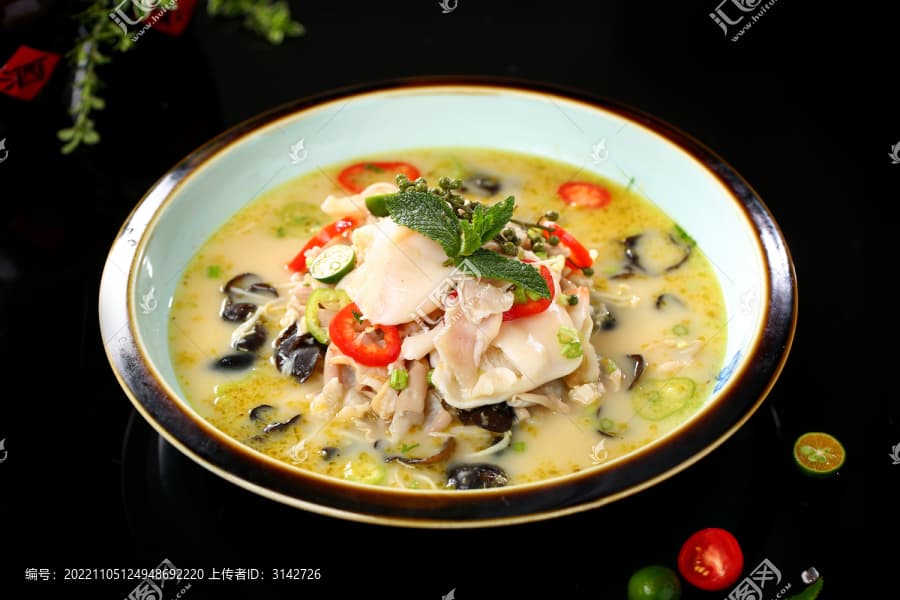
“Fresh, fragrant and light, with a hundred flavors in the broth”
Fresh, fragrant and light, with a mastery of stock. Buddha Jumps Over the Wall is the jewel in Fujian cuisine’s crown, while shacha noodles and oyster omelets embody the street-food soul of southern Fujian.
StewingSteamingSlow simmeringCooking with wine leesStir-fryingTossing and mixingFinishing in a light sauce
Essential ingredients
Red rice wine lees
Fermented shrimp sauce
Shacha sauce
Rich stock
Aged rice wine
Dried razor clams
Signature dishes
Discover 6 classics. Mark dishes you have tried; your checklist stays in this browser.
Buddha Jumps Over the Wall
Advanced360 minutes
Eighteen prized ingredients, including abalone, sea cucumber, shark fin, dried scallops, fish maw and tendons, are placed in a sealed jar with mature-hen stock and gently simmered for more than six hours. Opening the jar releases such fragrance that “even Buddha would abandon meditation and jump over the wall.”View description ↓Hide description ↑
Eighteen prized ingredients, including abalone, sea cucumber, shark fin, dried scallops, fish maw and tendons, are placed in a sealed jar with mature-hen stock and gently simmered for more than six hours. Opening the jar releases such fragrance that “even Buddha would abandon meditation and jump over the wall.”
Created by chef Zheng Chunfa of Fuzhou’s Juchunyuan during the Guangxu reign of the Qing dynasty. Originally called Fushouquan, or “complete fortune and longevity,” it was renamed after a scholar improvised a verse: “The opened jar sends meaty fragrance through the neighborhood; Buddha abandons meditation and jumps over the wall.”
Lychee-Shaped Pork
Moderate25 minutes
Lean pork is cross-scored, cut into pieces and fried until it curls like lychees, then coated in a sweet-and-sour red rice wine-lees sauce. Crisp outside and tender inside, with a bright red glaze, it is one of Fujian’s most widespread homestyle dishes.View description ↓Hide description ↑
Lean pork is cross-scored, cut into pieces and fried until it curls like lychees, then coated in a sweet-and-sour red rice wine-lees sauce. Crisp outside and tender inside, with a bright red glaze, it is one of Fujian’s most widespread homestyle dishes.
A traditional Fuzhou dish with two to three hundred years of history, named for its resemblance to lychees in both shape and color. The traditional version uses red rice wine lees for color and flavor, expressing Fujian’s distinctive wine-lees technique.
Shacha Noodles
Easy15 minutes
A breakfast close to Xiamen’s heart. Alkaline wheat noodles coated in oil are warmed in boiling water, then covered with a rich shacha broth made from peanuts, dried shrimp and chilies. Diners choose toppings such as pork liver, squid and tofu puffs.View description ↓Hide description ↑
A breakfast close to Xiamen’s heart. Alkaline wheat noodles coated in oil are warmed in boiling water, then covered with a rich shacha broth made from peanuts, dried shrimp and chilies. Diners choose toppings such as pork liver, squid and tofu puffs.
Shacha originated from Southeast Asian satay and was adapted into a local sauce after overseas southern Fujian communities brought it home. Xiamen’s noodle broth is rich and aromatic, with mild heat and the mellow depth of peanuts, making it one of southern Fujian’s most representative street foods.
Oyster Omelet
Easy10 minutes
Fresh oysters and sweet-potato-starch batter are fried on a flat iron griddle until the edges crisp, then eggs and garlic shoots or crown daisy greens are added. Crisp outside and tender within, each bite releases the oysters’ fresh sweetness.View description ↓Hide description ↑
Fresh oysters and sweet-potato-starch batter are fried on a flat iron griddle until the edges crisp, then eggs and garlic shoots or crown daisy greens are added. Crisp outside and tender within, each bite releases the oysters’ fresh sweetness.
A shared taste memory of Fujian and Taiwan. Oysters are among the most ordinary catches along Fujian’s coast. Fishermen fry them with sweet potato starch and eggs, making a dish that is both home cooking and a night-market favorite.
Sea-Worm Jelly
Moderate120 minutes
Peanut worms are simmered to release their gelatin, then cooled into an amber-clear jelly. Served with a dip of soy sauce, aged vinegar, minced garlic and mustard, it is cool, smooth and remarkably savory.View description ↓Hide description ↑
Peanut worms are simmered to release their gelatin, then cooled into an amber-clear jelly. Served with a dip of soy sauce, aged vinegar, minced garlic and mustard, it is cool, smooth and remarkably savory.
A snack from Anhai Town in Quanzhou with a thousand-year history. The worms are rich in collagen and their broth sets naturally after cooking. Visitors may hesitate at the word “worm,” but the taste is hard to forget once tried.
Drunken Pork Ribs
Easy20 minutes
Ribs are fried until golden and crisp, then dressed while hot with aged rice wine, soy sauce, sugar and vinegar. Wine fragrance penetrates the meat and bones; crisp outside and tender within, with savory sweetness and a little sourness, they are a Fuzhou favorite with a drink.View description ↓Hide description ↑
Ribs are fried until golden and crisp, then dressed while hot with aged rice wine, soy sauce, sugar and vinegar. Wine fragrance penetrates the meat and bones; crisp outside and tender within, with savory sweetness and a little sourness, they are a Fuzhou favorite with a drink.
A homestyle dish familiar to Fuzhou households. “Drunken” refers to marinating with Fujian aged rice wine. The heat of the ribs rapidly releases the wine’s aroma, leaving mellow sweetness and a gently wine-scented finish.
History and stories
Origins and evolution
Fujian, the home of this cuisine, lies between mountains and sea and offers abundant produce. Fuzhou, its culinary center, has been an important southeastern port since the Tang and Song periods, drawing merchants and absorbing many food traditions. Fujian cooking is celebrated for mountain delicacies and seafood, especially soups: “No meal without soup” is its defining principle. Its broths are clear to the bottom yet deeply savory, often simmered for hours with mature hen, pork bones, dried scallops and ham. Red rice wine lees are another distinctive seasoning, using the residue of wine fermented from red yeast rice to remove unwanted odors, add fragrance and create a characteristic lees flavor.
Fujian cuisine is inseparable from its geography. With the Wuyi Mountains to the west and the Taiwan Strait to the east, the region is described as “eight parts mountain, one part water and one part farmland.” The meeting of mountain and marine produce gives it a distinctive range of ingredients. In the Tang and Song periods, Fuzhou and Quanzhou were important Maritime Silk Road ports; spices and cooking methods brought by Arab merchants and Southeast Asian envoys deeply influenced the cuisine. In the Ming dynasty, Zheng He’s fleets were stationed at Changle in Fuzhou, and Southeast Asian ingredients brought back—including an early form of satay sauce—later developed into southern Fujian’s shacha sauce. Fujian is renowned for its skill with stock. “No meal without soup” is a firm rule, with one stock capable of becoming ten different flavors. Red rice wine lees provide another defining seasoning. Left after brewing qinghong rice wine from red yeast rice, they remove unwanted odors, add aroma and give dishes a warm rose color. The cuisine has three main schools: Fuzhou, fresh and elegant; southern Fujian, adept with shacha; and western Fujian, rich, savory and mellow.
Fuzhou has several stories about the dish’s origins. The best known tells of an official at the government money bureau who hosted provincial administrator Zhou Lian during the Guangxu reign. To impress the guest, the official’s wife placed more than twenty ingredients—including chicken, duck, meat, sea cucumber and abalone—in a Shaoxing wine jar and simmered them gently for a whole day. Zhou praised it enthusiastically and asked his own chef, Zheng Chunfa, to recreate it. After repeated experiments, Zheng reduced the meat and increased the seafood, producing a jar of Buddha Jumps Over the Wall that pleased Zhou even more. Zheng later opened Juchunyuan, and the dish became the jewel in Fujian cuisine’s crown.
A philosophy of food
Broth is the source of countless savory flavors; wine lees are the soul of Fujian taste. A fine broth, clear to the bottom yet endlessly flavorful, is the foundation of this cuisine. Cooking with red wine lees expresses respect for time: only after months of fermentation does that mellow, rounded fragrance emerge.
People behind the tradition
Zheng Chunfa
Late Qing to the Republican era
Creator of Buddha Jumps Over the Wall and founder of Fuzhou’s Juchunyuan. Building on the traditional Fushouquan, he selected eighteen prized ingredients such as abalone and sea cucumber and gently simmered them in a sealed jar with aged rice wine. The resulting dish gained worldwide fame and established Fujian cuisine’s place at China’s finest banquets.
Qiang Mugen
Contemporary
A celebrated state-banquet chef who, with his younger brother Qiang Ququ, is known as one of Fujian cuisine’s “two Qiangs.” At the Diaoyutai State Guesthouse banquet for US President Reagan in 1984, his Fujian menu delighted the overseas guests. He devoted his life to passing on Fujian cooking and trained many of its leading practitioners.
Tong Huixing
Contemporary
A Chinese master chef and leading figure in Fujian cuisine. Rooted in tradition but bold in innovation, he brought modern culinary ideas into Fujian cooking, developed many new dishes and helped take the cuisine from its home region to the rest of China and the world.
Through the seasons
Spring
Spring Bamboo Shoots with Clams
As the first spring tides rise along eastern Fujian’s coast, plump clams and crisp, sweet bamboo shoots are quickly stir-fried over fierce heat to capture their twin freshness: a light seasonal dish on Fuzhou tables.
Summer
Lychee-Shaped Pork
When lychees reach the market in high summer, scored pork is fried until it curls like lychee shells, then coated in sweet-and-sour red wine-lees sauce. Evoking lychees in shape and flavor, it is one of Fuzhou’s most appetizing summer home dishes.
Autumn
Sliced Whelk with Light Red Wine Lees
Whelks grow plump as autumn winds arrive. Sliced and quickly stir-fried with red rice wine lees, they become crisp, tender and savory, their flesh infused with the lees’ aroma: a classic autumn expression of Fujian’s wine-lees technique.
Winter
Buddha Jumps Over the Wall
A prized dish for traditional winter nourishment. Eighteen mountain and marine delicacies are sealed in a jar and gently simmered for a full six hours. Its fragrance spreads through the neighborhood when opened; a bowl of the rich broth seems to complete a Fujian winter.
The birthplace of Buddha Jumps Over the Wall, with more than one hundred and fifty years of history; the dish requires booking three days ahead; ¥300-800 per person
Wutang Shacha Noodles
📍 Xiamen
Described as Xiamen’s benchmark for shacha noodles, with rich broth and fresh toppings; ¥30-50 per person
Lianhua Park Pan-Fried Crab
📍 Xiamen
An established southern Fujian seafood restaurant known for pan-fried crab and sea-worm jelly; ¥100-180 per person
🥢
Which Fujian Cuisine dishes have you tried?
Use the dish checklist above to keep track of your discoveries in this browser.