“A character for every dish, a hundred flavors for a hundred dishes”
Numbing heat, savory freshness and fragrance, with a different flavor in every dish. Hot pot, twice-cooked pork and mapo tofu exemplify its skill in layering Sichuan peppercorns and chilies.
Numbing and spicySavory and aromaticFish-fragrantComplex guaiwei flavorSour and spicyChengdu, Sichuan
What defines this cuisine
Flavor profile
Numbing and spicy30%
Fish-fragrant20%
Complex guaiwei flavor15%
Peppercorn-numbing12%
Chili oil10%
Sour and spicy8%
Homestyle5%
Cooking techniques
Quick stir-fryingDry-fryingDry-braisingPickled-chili cookingPoaching in spicy brothFlash stir-frying
Essential ingredients
Pixian chili bean paste
Hanyuan Sichuan peppercorns
Erjingtiao chilies
Pickled chilies
Fermented black beans
Preserved mustard greens
Signature dishes
Discover 6 classics. Mark dishes you have tried; your checklist stays in this browser.
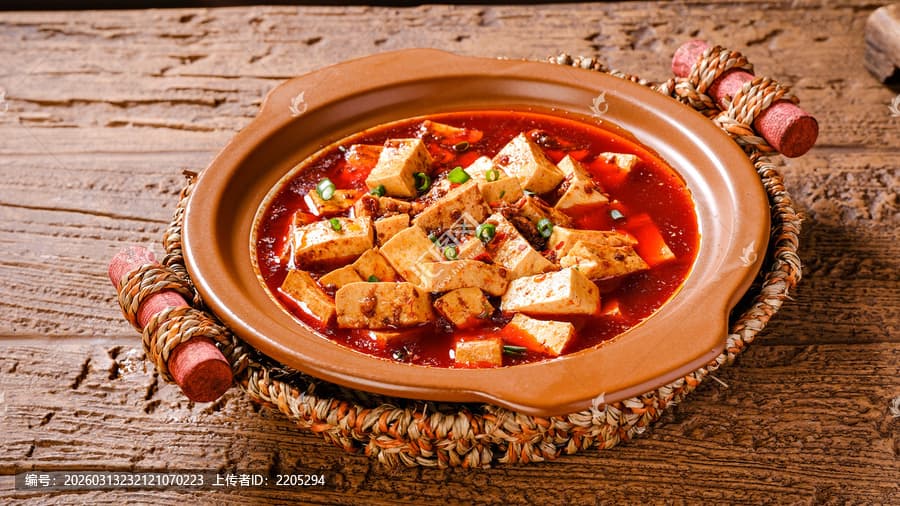
Mapo Tofu
Moderate20 minutes
Numbing, spicy, piping hot, fragrant, crisp, tender, savory and lively: eight qualities distilled into a bowl of tofu. The toasted aroma of minced beef and chili bean paste meets the tingling of ground Sichuan pepper, making this a pinnacle of Sichuan’s layered seasoning.View description ↓Hide description ↑
Numbing, spicy, piping hot, fragrant, crisp, tender, savory and lively: eight qualities distilled into a bowl of tofu. The toasted aroma of minced beef and chili bean paste meets the tingling of ground Sichuan pepper, making this a pinnacle of Sichuan’s layered seasoning.
Chen Mapo first made the dish beside Wanfu Bridge in Chengdu during the Tongzhi reign of the Qing dynasty. It began as a quick meal: porters spent a few coins on tofu and beef and asked the landlady to cook them. Two hundred years later, it became an international calling card for Sichuan cuisine.
Twice-Cooked Pork
Easy25 minutes
Pork from the upper hind leg is boiled, then stir-fried. The slices curl into little lamp-cup shapes, carrying the toasted fragrance of chili bean paste and fermented black beans. Bright green garlic shoots complete a rich yet non-greasy dish, savory and lightly spicy.View description ↓Hide description ↑
Pork from the upper hind leg is boiled, then stir-fried. The slices curl into little lamp-cup shapes, carrying the toasted fragrance of chili bean paste and fermented black beans. Bright green garlic shoots complete a rich yet non-greasy dish, savory and lightly spicy.
A dish that Sichuan households all know how to cook and love to eat. “Twice-cooked” means returning the meat to the wok: it is first boiled until just cooked, then stir-fried over high heat. This sequence renders the fat thoroughly.
Kung Pao Chicken
Moderate15 minutes
Tender chicken cubes and crisp peanuts sit in a lightly sweet-and-sour, lychee-style flavor, with the toasted fragrance of dried chilies and Sichuan pepper beneath it. Sweetness arrives first, a little sourness follows, then heat and tingling bloom on the tongue.View description ↓Hide description ↑
Tender chicken cubes and crisp peanuts sit in a lightly sweet-and-sour, lychee-style flavor, with the toasted fragrance of dried chilies and Sichuan pepper beneath it. Sweetness arrives first, a little sourness follows, then heat and tingling bloom on the tongue.
The name comes from “Gongbao,” an official title held by Ding Baozhen, the late-Qing governor-general of Sichuan. Ding enjoyed chicken cubes stir-fried with peanuts and chilies, and later generations named the dish after his title.
Husband-and-Wife Beef Slices
Advanced90 minutes
Thin slices of beef scalp, heart, tongue and tripe are dressed with chili oil, Sichuan pepper and sesame. Brilliant red and intensely spicy and numbing, the dish combines yielding softness with a crisp bite.View description ↓Hide description ↑
Thin slices of beef scalp, heart, tongue and tripe are dressed with chili oil, Sichuan pepper and sesame. Brilliant red and intensely spicy and numbing, the dish combines yielding softness with a crisp bite.
Created by the Guo couple in Chengdu in the 1930s. It originally used scraps of beef lung and was called feipian, “scrap slices”; a more elegant homophone, “lung slices,” later replaced the name. Today it is a luxurious choice among cold dishes.
Sichuan Poached Beef
Moderate30 minutes
What seems to be a clear broth conceals a storm of numbing heat. Tender beef slices sit beneath hot oil covered with chopped toasted chilies and Sichuan pepper. Crisp bean sprouts soak up the sauce, making every bite memorable.View description ↓Hide description ↑
What seems to be a clear broth conceals a storm of numbing heat. Tender beef slices sit beneath hot oil covered with chopped toasted chilies and Sichuan pepper. Crisp bean sprouts soak up the sauce, making every bite memorable.
Born from the ingenuity of workers at Zigong’s saltworks. They briefly poached beef slices in a spicy broth, then poured sizzling oil over the finished dish to release the full fragrance of the chilies and Sichuan pepper.
Dan Dan Noodles
Easy15 minutes
A dry topping of finely chopped preserved mustard greens and minced pork is mixed with sesame paste, chili oil, ground Sichuan pepper and crushed garlic. The noodles have a satisfying bite, every strand coated in the layered sauce.View description ↓Hide description ↑
A dry topping of finely chopped preserved mustard greens and minced pork is mixed with sesame paste, chili oil, ground Sichuan pepper and crushed garlic. The noodles have a satisfying bite, every strand coated in the layered sauce.
Named after the shoulder poles street vendors carried. A stove and copper pot hung from one end, while noodles and seasonings hung from the other, allowing vendors to cook and sell as they walked. Dan dan noodles are now synonymous with Sichuan noodle dishes.
History and stories
Origins and evolution
Sichuan cuisine originated in the ancient Ba and Shu regions, with its early form emerging during the Qin and Han dynasties. In the Tang and Song periods, Chengdu became a commercial center of southwest China and its restaurant trade flourished as never before. In the late Ming and early Qing, chilies reached China along the Maritime Silk Road. Sichuan cooks paired them with native Sichuan pepper to create the distinctive mala, or numbing-spicy, flavor. The Qing-era migration known as “Huguang filling Sichuan” brought cooking techniques from many regions. Through this exchange, Sichuan cuisine developed a complete system of “a character for every dish, a hundred flavors for a hundred dishes,” becoming China’s foremost cuisine.
The history of Sichuan cuisine is an epic of continual exchange and innovation. In ancient Shu, the people of Ba and Shu already knew how to make salt and brew alcohol, laying a foundation of saltiness and wine fragrance. During the Qin and Han periods, the Dujiangyan irrigation system made the Chengdu Plain a “land of abundance”; its rich produce fostered a flourishing food culture. In the Tang and Song periods, Chengdu’s commercial standing—“Yangzhou first, Yizhou second”—drew merchants from every direction. Sichuan cooking absorbed techniques from north and south, developing a preference for deep flavor and pungent fragrance. The late Ming and early Qing marked a turning point: chilies arrived from the Americas along the Maritime Silk Road and met Sichuan pepper, already eaten locally for two thousand years, creating the distinctive mala flavor. The subsequent “Huguang filling Sichuan” migration brought cooking methods from Hunan, Hubei, Guangdong and Jiangxi. Drawing on all of them, Sichuan cuisine had developed more than twenty flavor profiles by the late Qing, including mala, fish-fragrant, guaiwei, lychee-style and peppercorn-numbing. During the War of Resistance against Japan, Chongqing became the wartime capital, drawing renowned chefs from across the country. Sichuan cuisine reached new heights and established its position as China’s foremost cuisine.
While serving as governor-general of Sichuan, the prominent late-Qing official Ding Baozhen particularly enjoyed a homestyle stir-fry of chicken cubes and peanuts. He asked his cooks to prepare it whenever he hosted a banquet. His title, Junior Guardian of the Crown Prince, earned him the name “Ding Gongbao,” and the dish became known as Gongbao Chicken. Interestingly, Ding was from Guizhou. Guizhou and Sichuan each have a version: Sichuan emphasizes numbing heat, while Guizhou favors sour heat. The two regions still debate which is authentic.
In 1862, a restaurant called Chen Xingsheng opened beside Wanfu Bridge in Chengdu. Its landlady, Mrs. Chen Liu, had a pockmarked face and was known as “Chen Mapo.” Using tofu and minced beef brought in by porters, she added chilies, Sichuan pepper and chili bean paste to make a numbing, spicy and fragrant tofu dish. Word spread among the porters; mapo tofu soon became popular throughout Sichuan, then traveled abroad to become one of the best-known Chinese dishes overseas.
A philosophy of food
Flavor is the foundation; nourishment provides the guiding principle. The twenty-four flavor profiles are like the twenty-four solar terms, each with its own character and strength: mala invigorates, fish-fragrant flavors linger, and guaiwei invites reflection. Sichuan cooking does not judge ingredients by their price. A block of tofu or a liang of beef can become a dish remembered for generations.
People behind the tradition
Huang Jinglin
Late Qing to the Republican era
A Chengdu gentleman who left official service out of dissatisfaction with corruption and opened Gugu Yan, a name rendered as “Aunt’s Banquet” in the Chengdu dialect. He developed his own refined style of Sichuan cooking, bringing a scholar’s aesthetic to the kitchen. He is honored as a pioneer of modern Sichuan cuisine and a founder of its fine-dining tradition.
Luo Guorong
Republican era to the People’s Republic of China
A student of Huang Jinglin, praised as a master of Sichuan cooking. After the founding of the People’s Republic, he moved to the Beijing Hotel and became a central figure in Sichuan dishes at state banquets. His braised bear paw and dry-braised shark fin made his reputation in the capital, elevating Sichuan food from regional fare to state-banquet cuisine.
Chen Jianmin
Modern era
Known as the “father of Sichuan cuisine in Japan.” He moved to Japan in the 1950s and opened Sichuan Restaurant in Tokyo, introducing classics such as mapo tofu and dan dan noodles. He trained many Japanese Sichuan chefs and helped make Sichuan cooking Japan’s most popular Chinese regional cuisine.
Through the seasons
Spring
Spring Bamboo Shoots with Cured Pork
The first tender early bamboo shoots after the Start of Spring are sweet and crisp. Stir-fried with pork smoked during winter, fresh and aged flavors meet in Sichuan’s culinary welcome to spring.
Summer
Cold Noodles with Shredded Chicken
In the summer heat, cold noodles dressed with sesame paste and chili oil and topped with hand-shredded chicken offer appetizing sour heat: a refreshing summer lunch on Chengdu’s streets.
Autumn
Sichuan Poached Fish
As river fish grow plump in autumn, a steaming bowl of fish slices is covered with chopped toasted chilies and finished with sizzling oil, filling the room with fragrance. It is Sichuan’s forthright way of eating well for the autumn.
Winter
Jianyang Lamb Soup
After the Winter Solstice, milky-white broth made from Jianyang large-eared sheep is served with a small dish of chili bean dipping sauce. One bowl seems to take the chill out of winter across the western Sichuan Plain.