“Heat without harshness, freshness without heaviness”
Aromatic heat and tender freshness, with a varied range of flavors. Chopped-chili fish head and stir-fried pork exemplify Hunan’s heat: unlike Sichuan’s numbing spice, it is driven by fresh and fragrant chilies.
Aromatic heatFresh chili heatSour and spicySmokyCured flavorsChangsha, Hunan
Discover 6 classics. Mark dishes you have tried; your checklist stays in this browser.
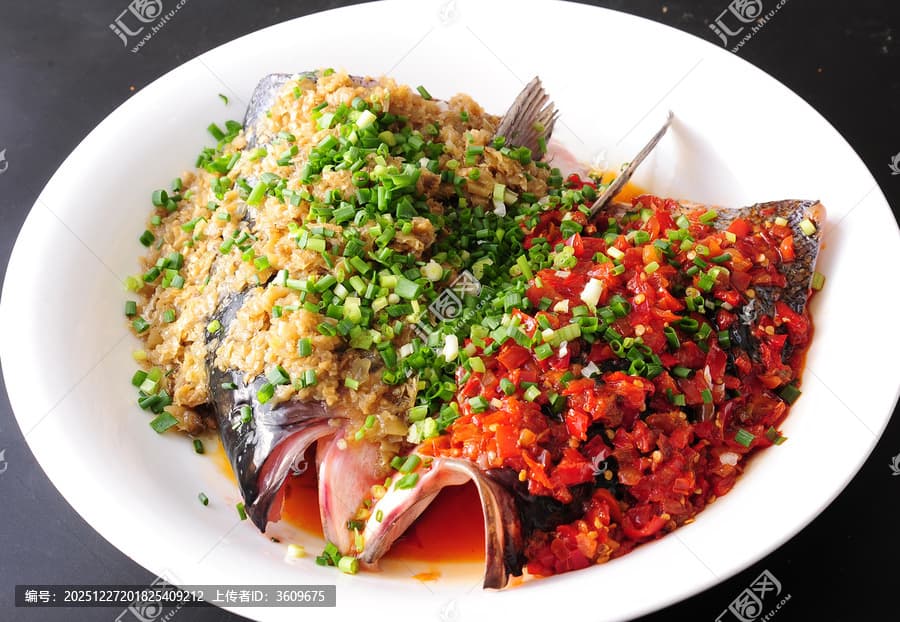
Fish Head with Chopped Chilies
Moderate25 minutes
A large bighead carp head is covered with bright red chopped chilies. Steaming leaves the flesh as tender as tofu, with fresh chili heat penetrating every bite. Mixing noodles into the sauce is an essential way to finish it.View description ↓Hide description ↑
A large bighead carp head is covered with bright red chopped chilies. Steaming leaves the flesh as tender as tofu, with fresh chili heat penetrating every bite. Mixing noodles into the sauce is an essential way to finish it.
A flagship Hunan dish originating in Xiangtan. Locals make their own chopped chilies by mincing fresh red peppers, adding salt and sealing them to ferment, bringing sourness and heat together. The word for fish evokes “surplus,” expressing a wish for abundance year after year.
Stir-Fried Pork with Chilies
Easy10 minutes
A culinary emblem for Hunan people. Pork belly is fried until its edges brown and curl, while green chilies blister into tiger-skin patterns in the rendered fat. Garlic and fermented black beans add the finishing touch. One bowl can accompany three bowls of rice.View description ↓Hide description ↑
A culinary emblem for Hunan people. Pork belly is fried until its edges brown and curl, while green chilies blister into tiger-skin patterns in the rendered fat. Garlic and fermented black beans add the finishing touch. One bowl can accompany three bowls of rice.
A Hunan saying declares, “No joy without meat, no meal without chilies.” Stir-fried pork with chilies is a test of a Hunan chef’s skill: a second’s difference in cooking can make a world of difference in flavor.
Changsha Spicy Crayfish
Moderate30 minutes
The star of Changsha’s summer-night streets. Crayfish are stir-fried over fierce heat with perilla, dried chilies and minced garlic, soaking up the sauce. The meat is firm and springy, with irresistible heat.View description ↓Hide description ↑
The star of Changsha’s summer-night streets. Crayfish are stir-fried over fierce heat with perilla, dried chilies and minced garlic, soaking up the sauce. The meat is firm and springy, with irresistible heat.
It rose to prominence on Changsha’s Jiaoyu Street in the 1990s, growing from roadside stalls into a citywide favorite. From May to October each year, Changsha residents consume tens of thousands of tonnes of crayfish.
Steamed Assorted Cured Meats
Moderate40 minutes
Cured pork, cured fish and cured chicken are steamed together. The steam allows their fats and flavors to mingle, producing rich, savory aromas. Every slice carries the flavor of time.View description ↓Hide description ↑
Cured pork, cured fish and cured chicken are steamed together. The steam allows their fats and flavors to mingle, producing rich, savory aromas. Every slice carries the flavor of time.
In Hunan’s damp, cold mountain winters, curing is a traditional way to preserve meat. Farming families in western Hunan slaughter a pig in the twelfth lunar month, and the smoked pork lasts until the following summer.
Mao-Style Red-Braised Pork
Advanced90 minutes
Red-braised pork without soy sauce: its color comes entirely from caramelized sugar. The glossy pork belly is rich without greasiness and melts in the mouth, with a little caramel sweetness and the rounded aromas of star anise and cassia.View description ↓Hide description ↑
Red-braised pork without soy sauce: its color comes entirely from caramelized sugar. The glossy pork belly is rich without greasiness and melts in the mouth, with a little caramel sweetness and the rounded aromas of star anise and cassia.
Mao Zedong loved red-braised pork but did not eat soy sauce, so his cooks used caramelized sugar instead. Mao-style red-braised pork became a style of its own and an essential signature in Hunan restaurants.
Dong’an Chicken
Easy15 minutes
Tender young chicken is cut into strips and stir-fried with rice vinegar, chilies and shredded ginger. Sourness carries heat, heat reveals savory freshness, and the chicken remains moist and delicate. It is an appetizing dish served hot or cold.View description ↓Hide description ↑
Tender young chicken is cut into strips and stir-fried with rice vinegar, chilies and shredded ginger. Sourness carries heat, heat reveals savory freshness, and the chicken remains moist and delicate. It is an appetizing dish served hot or cold.
It originated in Dong’an County, Hunan, during the Tang dynasty and has a history of more than twelve hundred years. It appeared on the state-banquet menu during Nixon’s 1972 visit to China.
History and stories
Origins and evolution
Hunan cuisine can be traced to the food culture of the state of Chu during the Spring and Autumn and Warring States periods. Hunan lies along the middle Yangtze, surrounded by mountains on three sides and facing Dongting Lake to the north, creating a distinctive low-lying, damp climate. People traditionally favored pungent food to dispel damp and cold. Unlike Sichuan’s numbing heat, Hunan cooking emphasizes fresh and fragrant chili heat. During the Ming and Qing dynasties, three major schools developed around Changsha, Hengyang and Xiangtan, each with its own strengths. In more recent times, the rise of the Hunan Army and prominent Hunan figures carried the cuisine across China.
Hunan cuisine’s roots reach back to the state of Chu in the Spring and Autumn and Warring States periods. Qu Yuan’s “Summoning the Soul” in the Songs of Chu describes bitter, salty, sour, pungent and sweet tastes, showing that Chu cooks understood how to harmonize the five flavors. Hunan’s middle-Yangtze location, mountains on three sides and Dongting Lake to the north produced a damp, low-lying climate and a tradition of using pungent food to counter dampness. After chilies arrived in the late Ming, Hunan became one of the earliest provinces to adopt them widely. Chilies were used as vegetables as well as seasoning, a fundamental distinction from Sichuan cooking. By the mid-Qing, commerce flourished in Changsha, Hengyang and Xiangtan, and three regional styles emerged: the Xiang River basin excelled in quick stir-fries with aromatic heat and tender freshness; the Dongting Lake area specialized in aquatic produce with fresh chili flavors; the western mountains favored rich, savory cured meats. The rise of the Hunan Army in the late Qing carried Hunan people and their food to Beijing, Shanghai and beyond. Since the 1990s, newer Hunan dishes such as chopped-chili fish head and spicy crayfish have swept the country, making chili culture one of Hunan’s most recognizable cultural signatures.
Mao Zedong’s lifelong fondness for red-braised pork is well known. It is said that during the war years, his favorite reward after a victory was a bowl of it. Less widely known is that he avoided soy sauce. His family had run a soy-sauce workshop when he was young, and the sight of maggots during fermentation reportedly left him with a lasting aversion. Chef Cheng Ruming worked hard to find an alternative, eventually replacing soy sauce with caramelized sugar to create a brighter red and more deeply flavored braise. The dish was later named Mao-style red-braised pork.
Chopped-chili fish head holds a place in Hunan cuisine comparable to roast duck in Beijing cuisine. For a Hunan host, a banquet is incomplete without it. When it arrives, bright red chopped chilies cover the plate, their aroma rising through the steam. The order of eating matters: first the tender lips, then the silky brain, and finally a bowl of plain noodles mixed with the sauce. Hunan people connect it with “good fortune at your head,” a wish for thriving prosperity and abundance year after year.
A philosophy of food
Heat without harshness, freshness without heaviness. Quick stir-frying over fierce heat captures an ingredient’s own flavor. Chilies act as a catalyst, drawing out its original sweetness and freshness. Hunan’s heat is warm-hearted, direct and clear, like the local character: straightforward, decisive and without fuss.
People behind the tradition
Shi Yinxiang
Republican era to the present
Mao Zedong’s personal chef and a leading master of Hunan cuisine. Beginning in 1958, he cooked for Mao for eighteen years. Skilled in classics such as Mao-style red-braised pork and Dong’an chicken, he wrote A Collection of Hunan Dishes and was praised as a “national chef.” He was instrumental in taking Hunan cooking beyond the province and onto the state-banquet table.
Xu Juyun
Contemporary
A nationally recognized representative inheritor of Hunan cuisine as intangible cultural heritage and a Chinese master chef. He has devoted his life to preserving and innovating Hunan cuisine, trained hundreds of renowned Hunan chefs, and advanced its standardization and international reach. He is known as a leading figure of contemporary Hunan cuisine.
Wang Moquan
Contemporary
A senior master of Hunan cuisine who entered the profession at fourteen and has spent more than seventy years cooking. Known for knife-work dishes such as hair-thin shredded beef tripe, he wrote several Hunan cooking textbooks and made pioneering contributions to culinary theory and training.
Through the seasons
Spring
Spring Bamboo Shoots with Cured Pork
The first tender shoots after spring thunder in Hunan’s mountains are stir-fried with western Hunan pork smoked during winter. Sweet fresh bamboo meets the meat’s savory fragrance in a ritual welcoming spring.
Summer
Changsha Spicy Crayfish
The ruler of Changsha’s summer nights. Crayfish stir-fried over fierce heat with perilla, dried chilies and minced garlic have firm, springy meat. The heat brings beads of sweat but keeps you reaching for more: a vivid summer memory beside the Xiang River.
Autumn
Fish Head with Chopped Chilies
Bighead carp are at their plumpest in autumn. Covered with homemade chopped chilies and steamed, the flesh becomes tender and the sauce savory and hot. On a crisp autumn day, a fish head with a bowl of plain noodles is a generous Hunan welcome for guests.
Winter
Steamed Assorted Cured Meats
After the annual pig slaughter in the twelfth lunar month, Hunan farm households smoke pork, fish and chicken. These cured meats are steamed together in winter, their fats and aromas mingling. The rich, savory result captures the taste of New Year and the warmth of home.