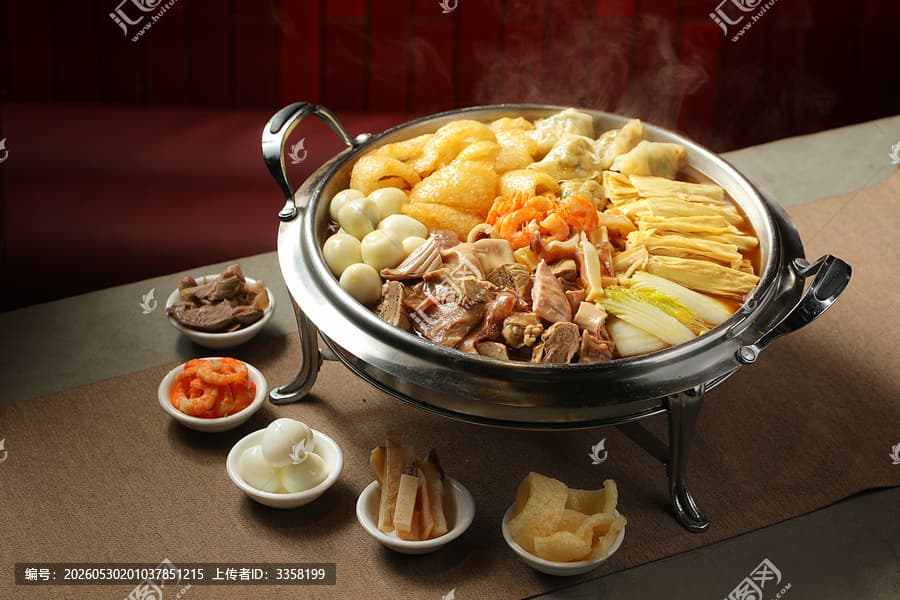
Rich cooking, deep color and mastery of heat. Ham, fermented mandarin fish and hairy tofu showcase Anhui’s skill in curing and fermentation, in a cuisine deeply rooted in rural life.
Discover 6 classics. Mark dishes you have tried; your checklist stays in this browser.
Fermented Mandarin Fish
Advanced30 minutes (excluding 7 days of curing)
Mandarin fish is cured and fermented in a light brine for six or seven days, developing its characteristic pungent smell. After red-braising, the flesh separates into garlic-clove-like flakes, firm and springy. The pungency becomes a distinctive fragrance that keeps diners coming back.View description ↓Hide description ↑
Mandarin fish is cured and fermented in a light brine for six or seven days, developing its characteristic pungent smell. After red-braising, the flesh separates into garlic-clove-like flakes, firm and springy. The pungency becomes a distinctive fragrance that keeps diners coming back.
A product of the Huizhou merchants’ era. During the Qing dynasty, merchants transported mandarin fish from the Yangtze to the Huizhou mountains, preserving it in brine. It unexpectedly fermented on the journey and developed an unusual smell. Reluctant to waste it, the thrifty merchants braised it and discovered an exceptionally savory flavor.
Hairy Tofu
Moderate15 minutes (excluding 3 days of fermentation)
Controlled fermentation grows white filaments roughly a cun long over the tofu, which is then pan-fried until golden on both sides. A crisp exterior surrounds a cheese-like, silky center. Served with chili sauce, it is one of Huizhou’s most distinctive street snacks.View description ↓Hide description ↑
Controlled fermentation grows white filaments roughly a cun long over the tofu, which is then pan-fried until golden on both sides. A crisp exterior surrounds a cheese-like, silky center. Served with chili sauce, it is one of Huizhou’s most distinctive street snacks.
Huizhou’s particular warmth and humidity helped produce this fermented food. According to legend, Zhu Yuanzhang fled to Huizhou after a defeat and was desperately hungry. An elderly woman fried some hairy tofu for him; he found it so delicious that he remembered it even after becoming emperor.
Soft-Shell Turtle Stewed with Ham
Advanced150 minutes
Huizhou ham and wild soft-shell turtle are stewed together into a golden broth with layered savory depth. The ham’s salty fragrance mingles with the turtle’s collagen, creating a rich, mellow soup regarded as a particularly prestigious nourishing dish in Anhui cuisine.View description ↓Hide description ↑
Huizhou ham and wild soft-shell turtle are stewed together into a golden broth with layered savory depth. The ham’s salty fragrance mingles with the turtle’s collagen, creating a rich, mellow soup regarded as a particularly prestigious nourishing dish in Anhui cuisine.
Huizhou ham is celebrated alongside Jinhua ham. A saying links their reputations: “Jinhua ham is in Dongyang, and Dongyang ham is in Huizhou.” Mountain-made Huizhou ham follows an old annual cycle of winter curing, spring drying, summer fermentation and autumn maturation.
Huizhou Yipin Pot
Moderate90 minutes
A layered hot pot: radish at the bottom, tofu puffs on the second layer, pork on the third, chicken on the fourth, egg dumplings on the fifth and ham on top. Gentle simmering allows the ingredients to exchange flavors, growing richer as the meal continues.View description ↓Hide description ↑
A layered hot pot: radish at the bottom, tofu puffs on the second layer, pork on the third, chicken on the fourth, egg dumplings on the fifth and ham on top. Gentle simmering allows the ingredients to exchange flavors, growing richer as the meal continues.
The finale of a Huizhou merchant’s banquet. It is said that the Qianlong emperor, traveling incognito in Huizhou, ate this layered “all-in-one pot” at a farmhouse. Delighted, he bestowed the name Yipin Pot, or “first-rank pot.”
Li Hongzhang Hotchpotch
Moderate60 minutes
Sea cucumber, squid, fish maw, chicken, ham and bamboo shoots are cooked together in a generous, deeply savory stew. Chicken stock supplies the seasoning and thickens naturally without starch, expressing Anhui’s mastery of stewing.View description ↓Hide description ↑
Sea cucumber, squid, fish maw, chicken, ham and bamboo shoots are cooked together in a generous, deeply savory stew. Chicken stock supplies the seasoning and thickens naturally without starch, expressing Anhui’s mastery of stewing.
During Li Hongzhang’s 1896 travels in Europe and America, he found Western food unfamiliar and asked his accompanying chef to stew a variety of ingredients together. Overseas guests praised it and asked its name; Li casually answered “hotchpotch.” After he returned to China, the dish was named for his official title.
Huangshan Stewed Squab
Moderate90 minutes
Huangshan squab is stewed with rock-ear lichen and Chinese yam. The broth is water-clear yet deeply savory; the squab is tender enough to leave the bones, the lichen soft and the yam creamy. The dish resembles a light, elegant ink painting.View description ↓Hide description ↑
Huangshan squab is stewed with rock-ear lichen and Chinese yam. The broth is water-clear yet deeply savory; the squab is tender enough to leave the bones, the lichen soft and the yam creamy. The dish resembles a light, elegant ink painting.
Huangshan rock-ear lichen is a distinctive mountain delicacy of Anhui cuisine. It grows on sheer cliffs above 800 meters and is extremely difficult to gather. Huangshan’s “three rock delicacies”—rock-ear lichen, stone frog and stream fish—are considered highlights of its mountain produce.
History and stories
Origins and evolution
Anhui cuisine flourished through Huizhou merchants. During the Ming and Qing, their businesses spread throughout China, giving rise to the saying “no town without Huizhou merchants” and carrying their food far afield. Its distinctive strength is the produce of the Huizhou mountains: rock-ear lichen, bamboo shoots, shiitake mushrooms, bracken and small soft-shell turtles. Mountain transport was difficult, so cooks became adept at preserving food through curing and fermentation. Ham, fermented mandarin fish and hairy tofu each express a collaboration between people and nature. Anhui cooking prizes heat control, especially in stewing, braising, steaming and smoking, seeking tenderness, softness, fragrance and depth.
Anhui is a distinctive cuisine that grew with commerce. Huizhou lies in southern Anhui’s mountains, described as “seven parts mountain, one part water and one part farmland.” Limited farmland pushed residents into trading from the Song dynasty onward; by the Ming and Qing, their commercial reach inspired the saying “no town without Huizhou merchants.” Homesick traders took local ingredients and cooking methods across China, opening restaurants in commercial centers such as Yangzhou, Hankou and Shanghai. The cuisine excels in mountain delicacies: Huangshan rock-ear lichen grows on sheer cliffs above eight hundred meters and is hazardous to gather, while Wenzheng Mountain bamboo shoots are prized for pale husks, white flesh and a crisp, fiber-free texture. Difficult mountain transport made curing and fermentation central preservation skills. Huizhou ham shares origins with Jinhua ham and follows a year-long cycle of winter curing, spring drying, summer fermentation and autumn maturation. Fermented mandarin fish is celebrated as a flavor born from an accidental transformation during transport. Anhui cooking values mastery of heat, particularly slow clay-pot stewing, which makes ingredients tender and deeply flavored without losing their shape. “One clay pot, three days of gentle heat” expresses its most devoted cooking ritual.
The birth of fermented mandarin fish is told as a fortunate accident. During the Daoguang reign of the Qing dynasty, Huizhou merchants transported Yangtze mandarin fish home along the Xin’an River. The mountains and long journey meant the fish began to deteriorate en route. A fish seller, reluctant to waste it, salted the fish and continued. By the time it reached Huizhou, it had developed an unusual smell. Braising it as an experiment reportedly revealed a distinctive savory flavor: the flesh separated into firm garlic-clove-like flakes, held its shape and tasted mellower than fresh mandarin fish. This “cured fresh mandarin fish,” also known as pungent fermented mandarin fish, became an Anhui signature.
A philosophy of food
Rich cooking, deep color and mastery of heat, nourishing life between earth and sky. Anhui’s richness is not indiscriminate excess; it answers the harsh cold of mountain life. One clay pot and three days of gentle heat bring the flavors of the mountains, time and home into a deep bowl of soup.
People behind the tradition
Fang Naigen
Republican era to the present
A leading master of Anhui cuisine who headed restaurants in Shanghai, Chongqing and elsewhere. He systematically organized its cooking methods and rescued many traditional recipes at risk of disappearing, playing a central role in its modern transformation.
Yin Qinlin
Contemporary
A Chinese master chef and inheritor of Anhui cuisine as intangible cultural heritage. While upholding tradition, he has promoted innovation by combining its curing and fermentation techniques with modern food-safety standards, renewing this old culinary tradition.
Wang Zhensheng
Contemporary
A senior Anhui master known for dishes requiring exceptional heat control. He restored several lost Huizhou recipes, including an original version of stewed squab, and trained hundreds of practitioners, becoming a pillar of the cuisine’s transmission.
Through the seasons
Spring
Ham Stewed with Bamboo-Shoot Tips
Tender white spring shoots from Wenzheng Mountain are stewed with Huizhou ham. The shoots absorb its savory fragrance and the ham takes on their sweetness, making this a particularly meaningful Huizhou welcome to spring.
Summer
Stir-Fried Bracken
Bracken covers Huangshan’s hills in summer. Its tender stems are simply stir-fried, remaining bright green and crisp with a fresh woodland aroma: one of Huizhou’s simplest mountain foods for summer.
Autumn
Huangshan Stewed Squab
In crisp autumn weather, Huangshan squab is stewed with rock-ear lichen and Chinese yam. The broth is clear and mellow and the meat tender enough to leave the bones, capturing the mountain’s autumn flavors in a single dish.
Winter
Soft-Shell Turtle Stewed with Ham
For traditional winter nourishment, Huizhou ham and wild soft-shell turtle are slowly stewed in a clay pot for three hours. Golden broth and rich gelatin make it a particularly prized dish for the harsh mountain winter.